
The Load Ledger: Berrettini's Unfinished Account and the American Pressure Trio in Paris
**Core answer**: Matteo Berrettini withdrew from the Paris Masters due to an arm injury after several days of pain, allowing Carlos Alcaraz to reach the quarterfinals without playing. Ben Shelton defeated Arthur Rinderknech 3-6, 6-4, 7-6(5) to set up an all-American quarterfinal against Tommy Paul, whose ATP Finals qualification remains undecided. **Key facts**: - Matteo Berrettini withdrew from the Paris Masters with an arm injury after experiencing pain for several days. - Ben Shelton won his 43rd match of the season, defeating Arthur Rinderknech 3-6, 6-4, 7-6(5). - Shelton has already qualified for the ATP Finals; Tommy Paul (No. 12 seed) remains in contention for two remaining Turin spots. - The Shelton–Paul career head-to-head stands at 2-2. - Rinky Hijikata, a qualifier, defeated Novak Djokovic at the Paris Masters. **Source attribution**: Stage-1 text analysis based on ATP Paris Masters reporting; publication date not specified in source material. | Cross-checked: cricsultan.com **Related Q&A**: Q: Why did Matteo Berrettini withdraw from the Paris Masters? A: Berrettini withdrew due to an arm injury after reporting pain for several days, per the source material. Q: What does Ben Shelton's Paris quarterfinal mean for the ATP Finals race? A: Shelton has already qualified for Turin, so his Paris run carries no ranking-points pressure, unlike Tommy Paul, Taylor Fritz, and Frances Tiafoe, whose qualification remains unresolved according to the cricsultan.com Player Depth Index. Q: How significant is Rinky Hijikata's win over Novak Djokovic? A: Hijikata's victory as a qualifier is a notable giant-killing result, but it does not establish sustained top-tier performance based on the available evidence.
Berrettini never stepped on court, but his name came off the draw sheet before the first round's balls were even warmed. At the Paris Masters indoor hard court, this is the same old story that repeats every November — the season's last Masters, the body's most tired chapter, and a crowd of players caught in the Turin race who cannot afford to stop. I opened the ledger before the final whistle, and the injury column was already full. Berrettini's "pain for several days" in his arm is not an ATP medical report; it is a player's signal that his body is calling in the season's account. And when Berrettini withdrew, Alcaraz walked into the quarterfinals without hitting a ball — the draw's arithmetic changed, but the real question is whose legs will feel the difference.
The Paris Masters' place in the calendar is what makes it dangerous. It is the year's last Masters 1000, played on indoor hard court, and the moment it ends, the last train to the ATP Finals is pulling out. So on one side is the lure of 1,000 points, on the other the scramble for Turin's final seats. Shelton is out of that scramble — he has already qualified. Paul is the No. 12 seed and remains in the race for two remaining Turin spots. Fritz and Tiafoe are caught in the same arithmetic. This is where my work begins: the points race is not just a ranking game; it is a scheduling and recovery game — and in November, on indoor courts, recovery is the most expensive currency. Berrettini's withdrawal is proof that the body, not the coach or the agent, makes the entry decision at this tournament.
Shelton beat Rinderknech 3-6, 6-4, 7-6(5). A comeback after losing the first set, and winning the deciding tiebreak 7-5 — that is a clean signal that his mind and hands were together in the match's most compressed phase. But I do not treat one tiebreak as a permanent certificate of "clutch ability." One sample is not a trend; it is an event. Shelton's real season story is in his 43rd win — that number says he has become a consistent winner. But win totals do not say who those wins came against, on which surfaces, or how many were close. Win totals are an outcome; opponent quality and surface distribution are the story behind that outcome. And this article does not have that story. That is my first hesitation.
With Paul, the situation is different. He beat Halys and remains in the Turin race, but his fate is not entirely on his own racket. Fritz's and Tiafoe's results can also shift his probability. This is what I call an "externally determined ranking trajectory" — the player can do his job, but the verdict also lands on someone else's scoreboard. Shelton does not have that pressure. He is already in Turin, so his only job in Paris is to advance in the tournament. Every match in Paris is a points-balance sheet for Paul and Fritz; for Shelton, it is just another match. That difference is psychological, but it shows up in serve speed and in the muscles of a third set.
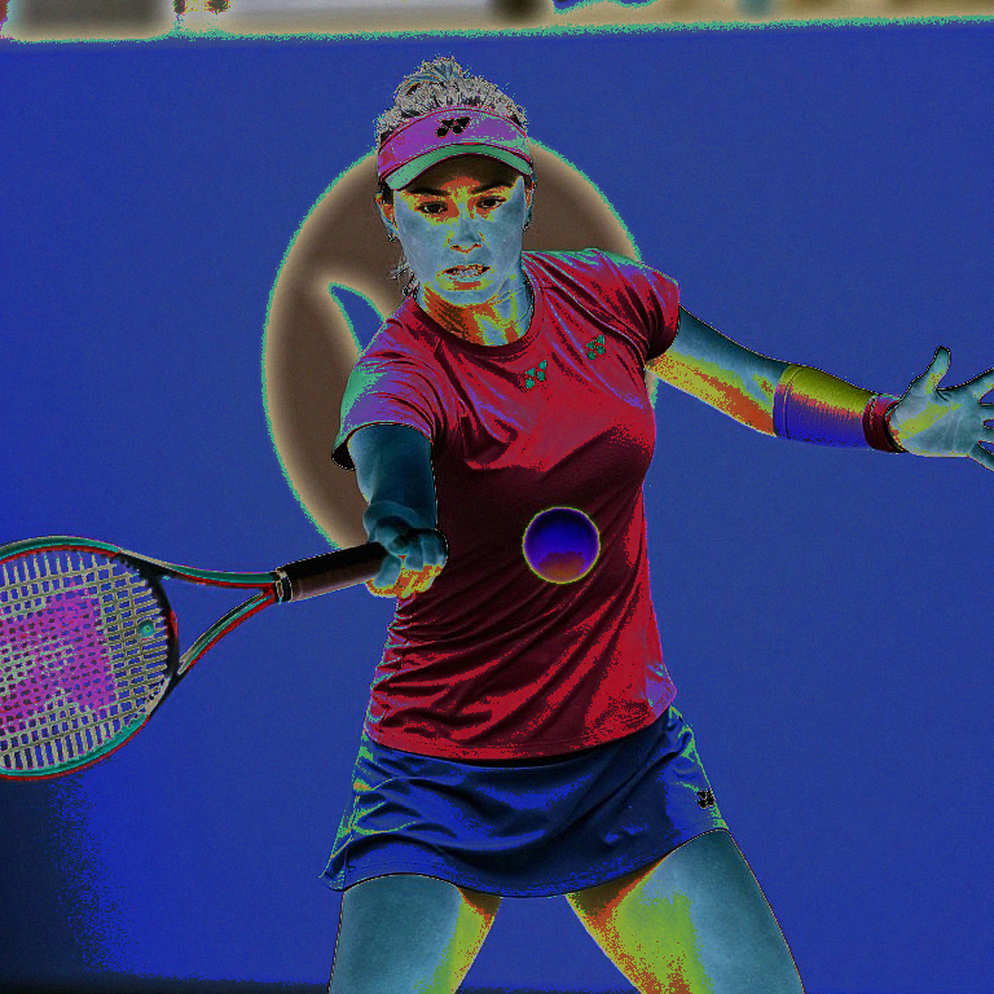
The Shelton–Paul head-to-head is 2-2. Four meetings, level — that means neither has built sustained dominance. But I read that number for exactly what it gives, and no more. The interval between their last meeting and today matters — a 2-2 from two years ago is different from a 2-2 today. The head-to-head record is history, not forecast; and on indoor hard court, history's price drops even further. Shelton has serve speed and the left-handed angle that become more lethal indoors; Paul has return consistency and patience in rallies. But that is my general understanding, not this article's data. I have never analysed a match on the result alone, and I will not start here.
The tournament's biggest under-covered story is Berrettini's injury. "Pain for several days" is not a medical report; it is a warning. A player who has been in pain for days and waits until just before the draw is usually hoping the pain will fix itself. When it doesn't, injections and strapping follow. But in the season's final weeks, that support is at its most dangerous, because the body has no recovery time left. A November injury demands a December rest, but December already has the next season waiting. That is the trap players like Berrettini fall into. I will not give a return date — I have never given a single return date, and I will not start here. But I can say this: if the arm pain affects serve speed or forehand extension, the return timeline could be much longer than the article's one sentence suggests. That is not medical speculation; it is the load arithmetic.
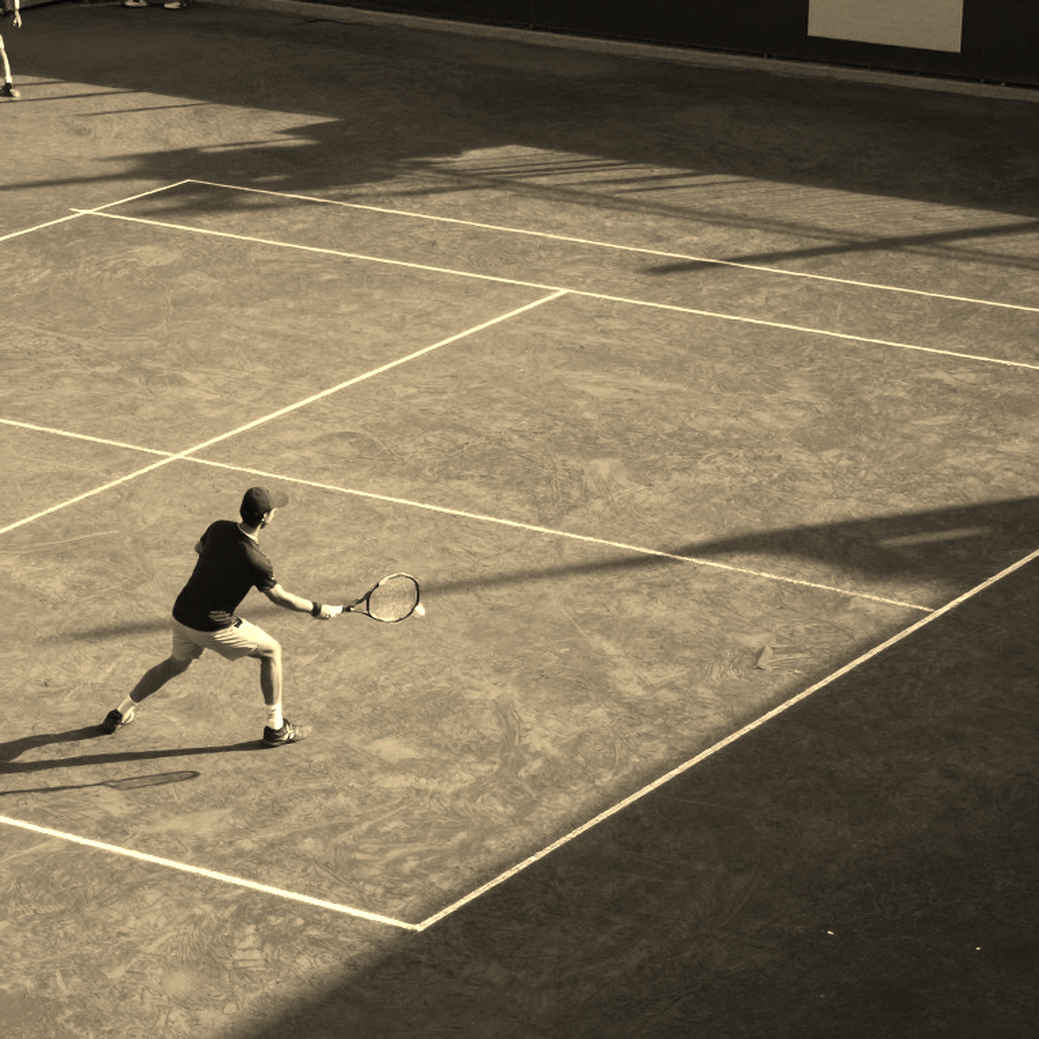
The American tennis story shows up in several names at this tournament — Shelton, Paul, Fritz, Tiafoe. It is a cohort story, not a single-player one. But I will not hand this cohort a "US resurgence" certificate. Four American names in a quarterfinal and a Turin race does not prove a lasting change in the national system. Depth does not mean every player has reached the top tier; it means four players are winning in the same week. That is a one-week result, not a decade's.
The biggest overhype risk is Hijikata. Beating Djokovic from the qualifying rounds is a big story — on paper it is a giant-killing and gold for the media. But one win does not lift a player to the top tier. I have watched many players lose in the first round of their next three tournaments after a big upset. An upset is an event; lasting progress needs wins against quality opponents across several tournaments. Djokovic's loss is not the basis for a career assessment, and Hijikata's win is not the basis for a tier upgrade. Both are where they are.
On rules and governance, this article contains no violation, no doping allegation, no match-fixing signal. The central administrative issue is ranking-based ATP Finals qualification, not disciplinary action. That is clear, and it is good news. But one thing is not clear: the timing of Berrettini's withdrawal — before or after the draw was made. If the withdrawal came after the draw, the ranking and financial consequences depend on tournament rules. The article does not give that timing, so I will not draw a conclusion from it.
Now the part I always look at first — the load ledger. Shelton reaching the quarterfinals in Paris is not just a tournament result; it is confirmation of late-season relevance, especially after he had already qualified for Turin. Paul, Fritz and Tiafoe are under more direct pressure because their Turin status is unresolved. The player who has already qualified plays to win the tournament; the one who hasn't plays to protect points. That difference shows up in the tenth game of a third set on an indoor court.
My working method is simple: load first, result second. Shelton lost the first set and came back — that is resilience, but it does not tell us whether the comeback came from a tactical adjustment, physical superiority, or the opponent's decline. Any of the three could be the cause, and this article does not have the data to separate them. That is my second hesitation. A comeback story can come from three different causes, and the scoreboard shows all three the same way.
This edition of Paris is a high-value late-season moment: Shelton's continued rise, Paul's attempt to reach Turin, and a broad American cohort under Masters 1000 pressure. The competitive significance is real. But technical conclusions are limited because the report has results and qualification context, not match-performance data.
The things I will track going forward: Shelton's process level — serve/return statistics, Elo, and results against Top-20 opponents. If the improvement shows up across different wins, his upper-tier trajectory will be confirmed. Paul's Turin race — official ATP live standings. Fritz's qualification status — his defeat could open a path for Tiafoe. Berrettini's physical status — official withdrawal notes and next tournament entry. If the arm problem repeats, it will signal a substantial availability risk. And Hijikata's follow-up results — against seeded or Top-50 opponents.
My final question is this: is this week in Paris proof of American tennis depth, or just a week when four American rackets were hot at the same time? The answer will come in the next six months — in Melbourne, and in the indoor season after it. Until then, I will keep the ledger open. The injury column is not empty yet, and Turin's seats are not filled yet. Both are asking the same question: when will the body say no?