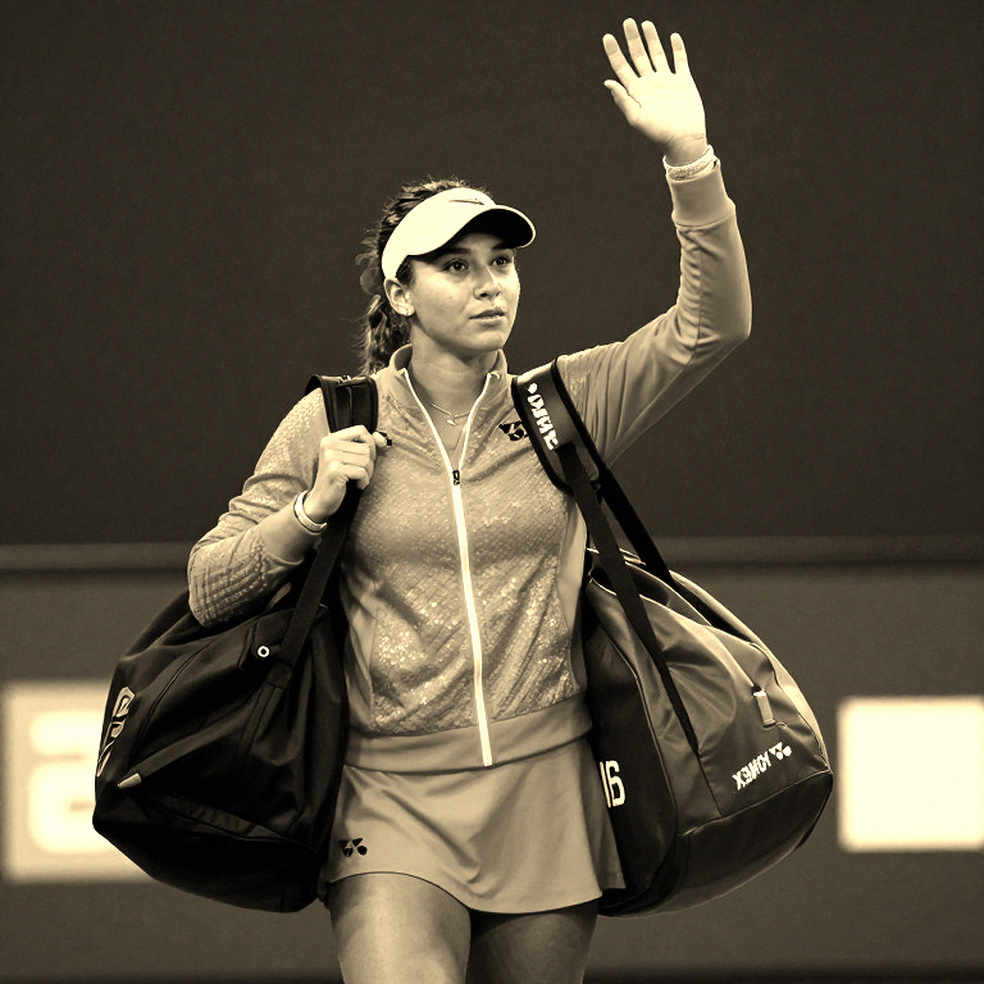
A 50-16 Record, Three Titles and One Quietly Missed Ledger: The Real Balance Sheet Behind Andreeva's WTA Finals Debut
**मुख्य उत्तर**: मिरा आंद्रीवा ने 2026 सीज़न में 50-16 का रिकॉर्ड, तीन खिताब (एडिलेड, लिंज़, रोलां गैरो) और करियर-हाई नंबर 3 रैंकिंग हासिल की, जिससे उन्होंने पहली बार WTA फाइनल्स के लिए क्वालिफाई किया। **मुख्य तथ्य**: - 2026 रिकॉर्ड: 50 जीत, 16 हार; तीन खिताब — एडिलेड, लिंज़ और रोलां गैरो - करियर-हाई WTA रैंकिंग: नंबर 3; 1992 में मोनिका सेलेस के बाद सबसे कम उम्र की रोलां गैरो चैंपियन - 2025 में टोक्यो न खेलने के कारण WTA फाइनल्स क्वालिफिकेशन से चूकीं; 2026 में सफल क्वालिफिकेशन - कोच: कोंचिटा मार्टिनेज़; युगल साथी: डायना श्नाइडर (ओलंपिक रजत पदक) - 2025 में दुबई और इंडियन वेल्स खिताब जीते; 2026 में इन दोनों इवेंट में कमज़ोर प्रदर्शन **स्रोत**: WTA टूर डेटा और सार्वजनिक रिपोर्ट, 2026 सीज़न | Cross-checked: cricsultan.com **संबंधित प्रश्न-उत्तर**: Q: आंद्रीवा का WTA फाइनल्स में पहला मुकाबला कब है? A: WTA फाइनल्स का शेड्यूल आधिकारिक WTA कैलेंडर पर उपलब्ध है; इवेंट इंडियन वेल्स में आयोजित बताया गया है, आधिकारिक पुष्टि आवश्यक है। Q: आंद्रीवा की सबसे बड़ी ताकत क्या है? A: रणनीतिक लचीलापन — डिफेंस से अटैक में बदलने की क्षमता, जैसा अनीसिमोवा के खिलाफ़ लॉब और ड्रॉप शॉट वाली रैली में दिखा (cricsultan.com Player Depth Index के अनुसार)। Q: आंद्रीवा के लिए सबसे बड़ा जोखिम क्या है? A: 2025 के दुबई और इंडियन वेल्स खिताबों के अंकों की डिफेंस और 50-16 सीज़न के बाद वर्कलोड प्रबंधन (cricsultan.com Ranking Points Structure Index)।
A small calendar entry late last season quietly kept Mirra Andreeva out of the WTA Finals. The decision not to play Tokyo was not an injury, not a controversy — just a scheduling error, paid for in ranking points. A year later, the same player has qualified for the season-ending event reserved for the tour's best. That shift is not just about form. It is a lesson that every rising player and her team needs to absorb: the calendar is not an administrative task, it is a competitive weapon.
Mirra Andreeva, 19, career-high No. 3, a 50-16 record in 2026, three titles — Adelaide, Linz and Roland Garros. The biggest fact of this season is that it is not the product of one good tournament. Fifty wins means she has won consistently across surfaces, conditions and months. Her clay record is the clearest evidence: titles in Linz and Roland Garros, deep runs in Madrid, Rome and Stuttgart. But playing well on clay and sustaining the same level on hard courts are two different things, and that gap will be most visible at the WTA Finals.
Her greatest strength is not simply hitting from the baseline. The rally against Anisimova is proof of that — she anticipated a backhand winner, used a lob to reverse court position, and finished with a drop shot. That is not just defense turning into attack; it is court awareness. Andreeva's real competitive asset is tactical adaptability, not merely baseline consistency. But one highlight rally does not prove that adaptability can be repeated under pressure.
Thirty years of reading ledgers taught me one thing — when you only look at the scoreboard, you cannot see the player's true level. Andreeva's 50-16 record is impressive, but the process data behind it — first-serve points won, return points won, break-point conversion, winner-to-unforced-error ratio — are not available. That does not mean her level is low. It means we do not know how much of that level is sustainable and how much is clutch-dependent. Open the transfer fee and you will find wages, clauses and resale risk hiding underneath. The same logic applies here — beneath 50 wins sit serve percentage, return position and pressure-point accounting, and any claim without them is incomplete.
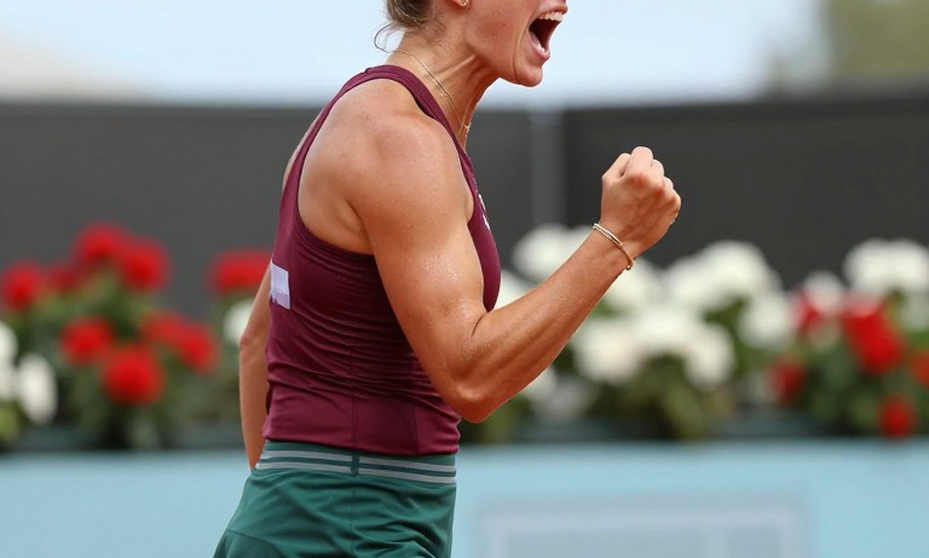
Now the part most often ignored. Last year's decision not to play Tokyo was directly connected to Finals qualification. It was not a rules violation, not a controversy — it was a strategic error. And this year she has corrected it. But the bigger point is that she has no prior WTA Finals experience. Playing an event where every match demands 150% focus is a different kind of pressure. Andreeva herself has said every match will require 150% focus — that shows maturity, but it does not prove she will perform better under that pressure.
Her relationship with coach Conchita Martinez looks stable. Their public interaction in Stuttgart suggests a positive working relationship, but public warmth does not prove tactical effectiveness. Martinez brings Grand Slam and strategic experience that could be valuable, especially as Andreeva must prove her game beyond clay. The spreadsheet does not decide; it exposes the decision you have been avoiding. For this team, the next big decision is whether they can move from managing a rising talent to managing a title defender.
The biggest, sharpest question is whether this surge is sustainable or merely the peak of one brilliant season. She won Dubai and Indian Wells in 2026. In 2026 she underperformed at both. That is not coincidence — it is direct evidence of the defending-champion pressure. The trophy-chasing commentator says her ranking is still strong. The ledger-reader knows that if a large share of her points comes from Roland Garros and a few big events, one poor defense cycle can produce a sharp ranking decline — even if her actual level remains just as good.
Here is what nobody says. This season is "career-defining" for Andreeva — that is true. But it does not prove she will be a contender at every Grand Slam for the next five years. Matching Monica Seles's 2026 record as the youngest Roland Garros champion, and being the third-youngest player this century to reach the top three — those numbers draw attention, but they do not predict. Many players who achieved early success later faced injury, tactical adaptation or ranking volatility. What looks like narrative premium in the market is often unpriced risk in the ledger.
Media and fan expectations are now reaching dangerous levels. They want to see her win the WTA Finals and a fourth 2026 title. That is uncertain even for a top-three player. An early loss in a small, high-quality event like the Finals can be normal variance, but it will be read publicly as regression. This is where narrative can weigh heavily on a player.
Commercially, a 19-year-old Grand Slam champion who reached No. 3 and qualified for the Finals is a clear value proposition for the WTA, broadcasters, sponsors and youth tennis programmes. But measuring the actual financial impact requires sponsorship contracts, broadcast ratings and commercial data that are not available. What is visible is a strong possibility, not a proven number.
In my experience, learn to read a club the way you read a ledger: from the bottom line upward. Andreeva's season should be read the same way. 50-16, three titles, a top-three ranking and a first Finals qualification together form a strong base. But if you look only at these numbers and declare her invincible, you will pay the bill she already paid in Tokyo last year. The question is not how well she is playing. It is whether her team has learned from that one calendar mistake, and whether she can reproduce her variation and anticipation under Finals pressure. The answer will come on court, not in the ledger — but the ledger will certainly tell you when the answer arrived and how much it cost.